Key Moments
Former Pepsi CEO: The Hidden Cost of Rising to the Top | Indra Nooyi
 The Knowledge Project
Want to know something specific about what's covered?
We've already dissected every moment. Ask and we will deliver (with timestamps).
Key Moments
Indra Nooyi on leadership, challenges, and balancing career with family life.
Key Insights
The importance of 'micro understanding' for effective leadership, delving into the 'rubber meets the road' details of a business.
The necessity of taking calculated risks and embracing challenges for personal and professional growth.
Leadership demands a balance of toughness, kindness, and clarity, especially in delivering direct feedback.
True success lies in 'performance with purpose' – leaving things better than you found them.
The critical role of a supportive spouse and strong family ties in navigating demanding career paths.
Prioritizing mentorship and developing talent, including helping individuals find roles outside the company if it benefits their growth.
EARLY LIFE AND THE PURSUIT OF EXCELLENCE
Indra Nooyi's upbringing in India, post-British rule, instilled a strong sense of self-reliance and the drive for excellence. The societal emphasis on contributing to the nation's progress, coupled with familial expectations, fostered a mindset of hard work and continuous learning. This environment shaped her early life, characterized by discipline, limited resources, and the constant push to achieve, which laid the foundation for her future career.
EMBRACING RISK AND GLOBAL AMBITIONS
Nooyi's decision to pursue higher education at Yale in the United States over a significant promotion in India highlights her willingness to embrace risk for greater opportunity. This pivotal choice was influenced by her fascination with American culture and innovation. She recognized the risk involved in moving to an unfamiliar country but, encouraged by a mentor's advice, opted for the path less traveled, understanding that such chances might not come again.
THE POWER OF MICRO UNDERSTANDING AND IMPLEMENTATION
A key lesson learned from Steve Jobs was the importance of 'micro understanding'—knowing the business down to its granular details. Nooyi applies this principle by 'zooming in' to understand operations from the ground level before 'zooming out' to strategize. This approach ensures that top-level decisions are implementable and that the intent of strategies isn't lost in execution, bridging the gap between corporate finance and the realities of daily operations.
LEADERSHIP THROUGH CLARITY AND COMPASSION
Nooyi advocates for a leadership style that combines toughness with kindness and clarity. Delivering direct feedback is crucial; performance reviews should clearly outline achievements, areas for improvement, and a path forward with support. This approach, while challenging, ensures employees understand expectations and can grow, demonstrating a genuine care for their development and potential, even when delivering difficult messages directly.
DEVELOPING TALENT AND FOSTERING GROWTH
A significant aspect of Nooyi's leadership philosophy involves nurturing talent, even if it means encouraging individuals to seek opportunities elsewhere. She views this as a strategic, albeit seemingly selfish, approach that can ultimately benefit the company by bringing back diverse experiences. She meticulously tracked hundreds of 'corporate assets,' individuals with CEO potential, ensuring they received the right assignments and development opportunities to foster their growth.
THE DUALITY OF POWER AND HUMILITY
Ascending to leadership roles often brings power, but Nooyi emphasizes the critical importance of maintaining humility. Her mother's reminder to leave her 'crown in the garage' upon returning home highlighted the need to balance professional achievements with personal roles as a wife, mother, and daughter. She stresses that these roles are non-delegable and require active participation, not just a residual exercise of authority.
NAVIGATING LIFE'S TETHERS: CAREER AND FAMILY
Nooyi describes having children as a 'beautiful tether,' a lifelong commitment that requires resilience and a willingness to make sacrifices. While ambition drives professional success, the responsibilities of family life necessitate a constant juggling act. She acknowledges that perfect balance is unattainable, but effective management of these roles, supported by a strong partnership and external help, is key to navigating these full-time commitments.
THE STRATEGY OF IMPLEMENTATION AND FRICTION REMOVAL
True strategy, for Nooyi, is about crafting an implementable path to superior results. This involves anticipating challenges, removing friction points within processes and people, and understanding that change hinges on human behavior and buy-in. She contrasts this with academic strategy, which can be theoretical, emphasizing that real-world strategy requires meticulous planning for execution and adaptability when the environment shifts.
THE ART OF DATA-DRIVEN DECISION-MAKING
Effective decision-making involves more than just intuition; it requires synthesizing vast amounts of data, experience, and counsel from others. Nooyi stresses that decisions are rarely made in isolation and that tapping into the knowledge of teams is crucial. Ultimately, the leader bears responsibility for the outcome, but transparency and giving credit to the team are essential for empowering them.
MASTERING THE BOARDROOM AND CORPORATE GOVERNANCE
Transitioning from CEO to board member requires a shift in perspective, focusing on governance and strategic direction rather than day-to-day management. Great board members go beyond the provided materials, offering deep insights and adding value by challenging conventional thinking. Nooyi also advises that outgoing CEOs should step away from the board to grant the new leadership complete autonomy.
CHAMPIONING MERITOCRACY AND EQUAL OPPORTUNITY
Creating a true meritocracy involves drawing from the entire talent pool and actively removing barriers to success. Nooyi emphasizes checking unconscious biases and ensuring women and underrepresented groups have equal opportunities to thrive. Addressing subtle behaviors like interrupting or dismissing ideas is crucial for fostering an environment where confidence and competence can flourish, leading to greater innovation and fairness.
LEARNING FROM PEERS AND EMPATHIZING WITH CONSUMERS
Engaging with other CEOs and understanding diverse business models, like those of Costco and Walmart, provides invaluable insights. Nooyi highlights the importance of walking the store, understanding packaging, pricing, and merchandising from a consumer's perspective. This granular understanding, combined with lessons learned from mentorships with figures like Jim Sinegal and Greg Foran, deeply informed her strategic decisions.
MANAGING CRISES WITH HONESTY AND CALM
Leading through a crisis demands real-time decision-making, detailed understanding of the root cause, and clear communication. Nooyi stresses honesty with employees and stakeholders, remaining calm and in control to instill confidence. Facing activist investors, she advocated for focusing on performance while the leadership team managed external pressures, demonstrating resilience and a commitment to the company's best interests.
CULTURE, TALENT, AND THE FUTURE OF WORK
Nooyi values companies with a strong culture, such as Amazon's customer obsession and 'Day One' mentality. She believes in fostering a sense of belonging and purpose, questioning the long-term impact of remote work on career progression and team cohesion. For her, authentic human interaction is fundamental to developing talent and understanding company culture, suggesting that extended remote work might limit opportunities.
THE ESSENCE OF SUCCESS: PERFORMANCE WITH PURPOSE
Ultimately, Nooyi defines success as 'performance with purpose'—delivering results while striving to leave organizations and the world better than you found them. This requires a deep sense of purpose, a commitment to making a positive impact, and the resilience to navigate the complexities of leadership and life while staying true to one's values.
Mentioned in This Episode
●Supplements
●Software & Apps
●Companies
●Concepts
●People Referenced
Product Turnaround Times & Warehouse Impact
Data extracted from this episode
| Product Type | Turns Per Year | Warehouse Impact |
|---|---|---|
| Frito Chips | 40-50 times | Too much space if through warehouse, require direct store delivery |
| Beverages | 60-70 times | Too much space if through warehouse, require direct store delivery |
| Toothpaste | 12 times | Can come through warehouse |
| Cookies | 10 times | Can come through warehouse |
Common Questions
Indra Nooyi was offered a significant promotion to run 60% of a factory in India, a safe and successful path. However, she had always dreamed about the United States. Her boss, Norman, advised her to take the 'risky bet' of going to Yale, knowing that such an opportunity might not come again, despite the financial liabilities and unfamiliar environment.
Topics
Mentioned in this video
The person running Tropicana at the time of its acquisition by PepsiCo.
An activist investor who targeted PepsiCo during Indra Nooyi's tenure as CEO.
An important figure at Quaker Oats whose retention was prioritized during PepsiCo's acquisition of the company.
Co-founder of Costco, who personally walked Indra Nooyi through a store to teach her about club store operations and merchandising.
A former senior executive running Walmart North America, from whom Indra Nooyi learned store merchandising strategies by accompanying him on store tours.
Former CEO of Heinz, who was recommended by Nelson Peltz and joined PepsiCo's board, adding significant value.
More from The Knowledge Project Podcast
View all 108 summaries 46 min
Roblox Founder: Destroy Bureaucracy Before It Destroys You
 54 min
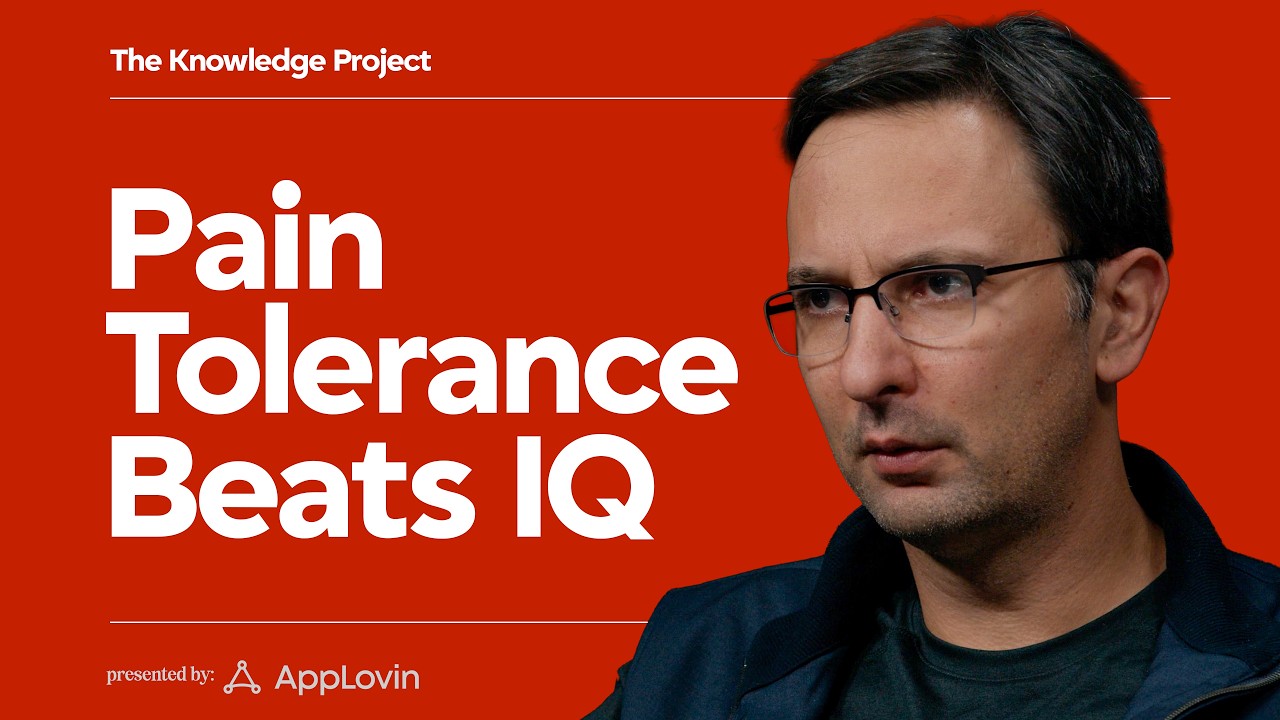
$4.6B CEO: Excellence Is the Capacity to Take Pain
 55 min
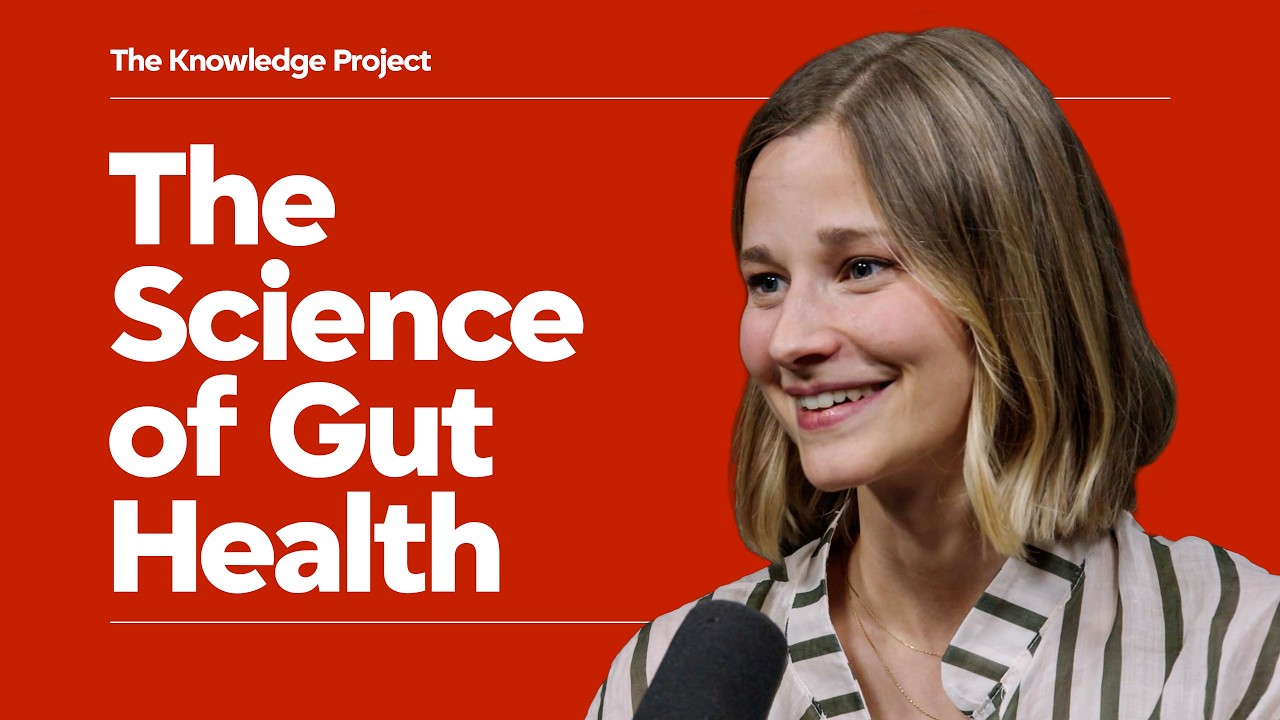
Microbiome Expert: Revealing the Biggest Myths About Your Gut, Diet, and Health
 62 min
Mental Models That Change How You Think | Bill Gurley
Ask anything from this episode.
Save it, chat with it, and connect it to Claude or ChatGPT. Get cited answers from the actual content — and build your own knowledge base of every podcast and video you care about.
Get Started Free