Key Moments
294 ‒ Peak athletic performance: How to measure it and how to train for it
 Peter Attia MD
Want to know something specific about what's covered?
We've already dissected every moment. Ask and we will deliver (with timestamps).
Key Moments
VO2 Max is the ultimate longevity marker, but specific training and individual efficiency optimize athletic performance.
Key Insights
VO2 Max is the best longevity predictor, integrating overall physiological function, but not always the best predictor for specific athletic performance.
Athletic performance hinges on both metabolic and mechanical efficiency, where improving drag coefficients or biomechanics can significantly impact speed, even at constant power.
Portable metabolic analyzers (like V2 Master with CO2 capabilities) are democratizing VO2 Max and CO2 measurement, making high-quality, real-world data accessible for athletes.
Efficient training for VO2 Max focuses on accumulating maximum work (kilojoules) at high intensity over a session, rather than strictly adhering to specific interval durations.
Lactate is a concentration metric that needs careful interpretation, as factors like hydration and individual variability can influence readings; true lactate thresholds (LT1, LT2) are more informative than fixed values.
Elite athletes balance high VO2 Max with optimized energy expenditure and specialized training for their event's duration, often sacrificing some absolute VO2 Max to excel in longer races like Iron Man.
VO2 MAX: THE HOLY GRAIL OF LONGEVITY
Olav Aleksander Bu emphasizes that VO2 Max is arguably the most critical metric for understanding longevity. It integrates the efficiency of the heart, lungs, and neurological systems. A high VO2 Max signifies robust overall physiological function, making it a superior predictor of lifespan compared to individual health markers like heart health alone. Issues in any of these systems will limit an individual's ability to achieve a high VO2 Max, underscoring its comprehensive nature in reflecting health and functional capacity.
BIOMECHANICAL AND METABOLIC EFFICIENCY IN PERFORMANCE
Bu highlights that ultimate athletic success, measured by velocity (distance per unit time), depends on two main factors: metabolic efficiency (how effectively the body converts energy into ATP) and mechanical efficiency (how well the body translates that energy into movement). He cites an example of cycling at a constant 200 watts, where improvements in velocity over time were achieved by enhancing aerodynamics (reducing frontal surface area) rather than purely metabolic adaptations. These nuances demonstrate that optimizing both aspects is crucial for peak performance, especially in endurance sports. Triathletes face a unique challenge, needing world-class efficiency across three distinct disciplines.
DEMOCRATIZING METABOLIC MEASUREMENT: THE V2 MASTER
The conversation delves into the evolution of metabolic measurement, from bulky lab equipment to portable devices like the V2 Master. These advanced portable analyzers, which use technology similar to Formula One and aerospace engineering to measure airflow, allow athletes to accurately track oxygen consumption (VO2) and, soon, carbon dioxide production (VCO2) in real-world training environments. Athletes can integrate this data with other metrics like power and velocity on platforms like Garmin, enabling highly nuanced, real-time performance analysis and individualized training adjustments with minimal intrusiveness.
RETHINKING V02 MAX AND TRAINING ADAPTATIONS
While VO2 Max is vital for overall health and is a good proxy for short, all-out efforts (like 4-minute power), it's not always the sole predictor of success in long-duration endurance events. Bu explains that elite athletes must specialize, balancing high VO2 Max with the ability to sustain effort over many hours, as in an Iron Man. Maximizing VO2 Max might come at the expense of developing long-duration power. Moreover, reducing an athlete's weight to improve relative VO2 Max can surprisingly decrease absolute VO2 Max, emphasizing the complexity of optimizing performance metrics without detrimental effects.
OPTIMIZING TRAINING FOR ACCUMULATED OXYGEN CONSUMPTION
To effectively increase VO2 Max, the focus should shift from rigid interval structures to accumulating the maximum amount of work (kilojoules) at high intensity during a session. Instead of prescribed 5-minute intervals, athletes should experiment to find interval durations and rest periods that allow for the highest accumulated power output over the entire training session. This approach provides a stronger stimulus to the cardiovascular and respiratory systems, leading to greater overall oxygen consumption and engine growth. Consistency and the total work done at high intensity are paramount for long-term gains.
LACTATE: A NUANCED METRIC OF FUEL UTILIZATION
Lactate, a concentration metric, serves as an indicator of substrate utilization rather than just an endpoint for fatigue. While traditional views focused on fixed lactate thresholds (e.g., 2 or 4 mmol/L), Bu highlights the importance of understanding individual lactate inflection points (LT1 and LT2). These points represent the transition from mostly fat oxidation to increased carbohydrate utilization and then to an unsustainable metabolic state. However, lactate values can be influenced by factors like hydration and plasma volume, making a single measurement less reliable than analyzing its curve over varying intensities or across different metrics.
THE INTERPLAY OF CADENCE, TORQUE, AND METABOLISM
The discussion explores how cycling cadence and torque affect metabolic pathways. Higher torque and lower cadence tend to recruit more fast-twitch muscle fibers, increasing reliance on glycogen and potentially elevating CO2 production, even as VO2 may slightly decrease. Conversely, higher cadences, while seemingly more "aerobic," can increase gross power expenditure (including non-propulsive work) and thus VO2 due to the body's effort to coordinate faster movements. Portable metabolic devices can help athletes identify the optimal balance of cadence and torque that aligns with their desired metabolic response, emphasizing efficiency in real-time conditions rather than just raw power output. This highlights that metabolic demands are not solely dictated by power but also by how that power is generated.
LIMITATIONS AND UNKNOWN FRONTIERS IN PERFORMANCE SCIENCE
The conversation concludes by acknowledging the vast unknowns in human physiology, despite advancements in sports science. While current metrics provide valuable insights, they don't capture the full complexity of human performance. Concepts like mitochondrial efficiency far exceed what the body can supply with oxygen, indicating that central limitations (oxygen delivery) are more rate-limiting than peripheral (muscle utilization). Furthermore, the human digestive system's capacity limits extreme caloric intake during prolonged high-intensity efforts, making energy supply a major challenge for elite endurance athletes. The integration of AI and numerical models promises to unlock deeper individualization and understanding from the ever-increasing volume of athlete data, ushering in a new era of performance optimization where respect for individual differences and continuous discovery remain paramount.
Mentioned in This Episode
●Products
●Tools
●Companies
●Concepts
●People Referenced
Common Questions
Olaf grew up on a farm in Norway, was fascinated by technology and extreme sports. After a life-altering event, he combined exercise physiology and technology. He now coaches elite triathletes like Christian Blumenfeld and Gustav Eden, who hold multiple world records in short and long-course triathlons, and also coaches other Olympic-level coaches.
Topics
Mentioned in this video
More from Peter Attia MD
View all 340 summaries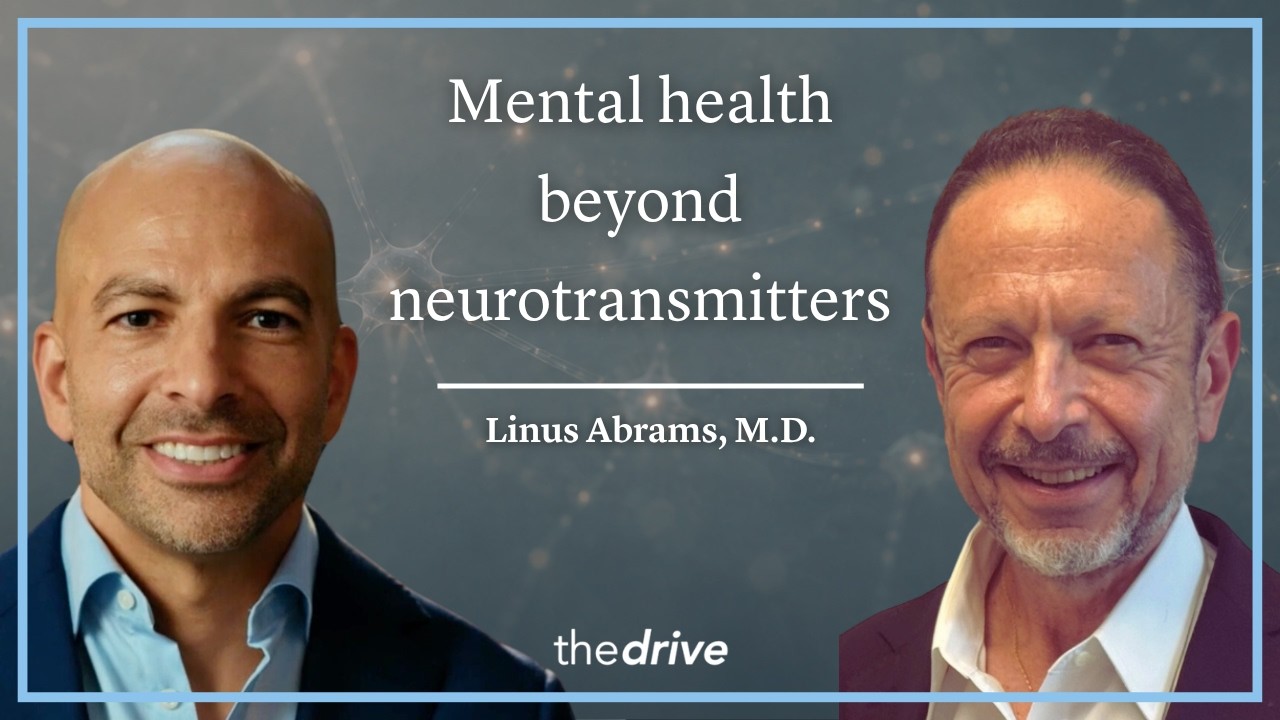 140 min
404 ‒ Mental health beyond neurotransmitters: hormones in psychiatry, psychedelic therapies, & more
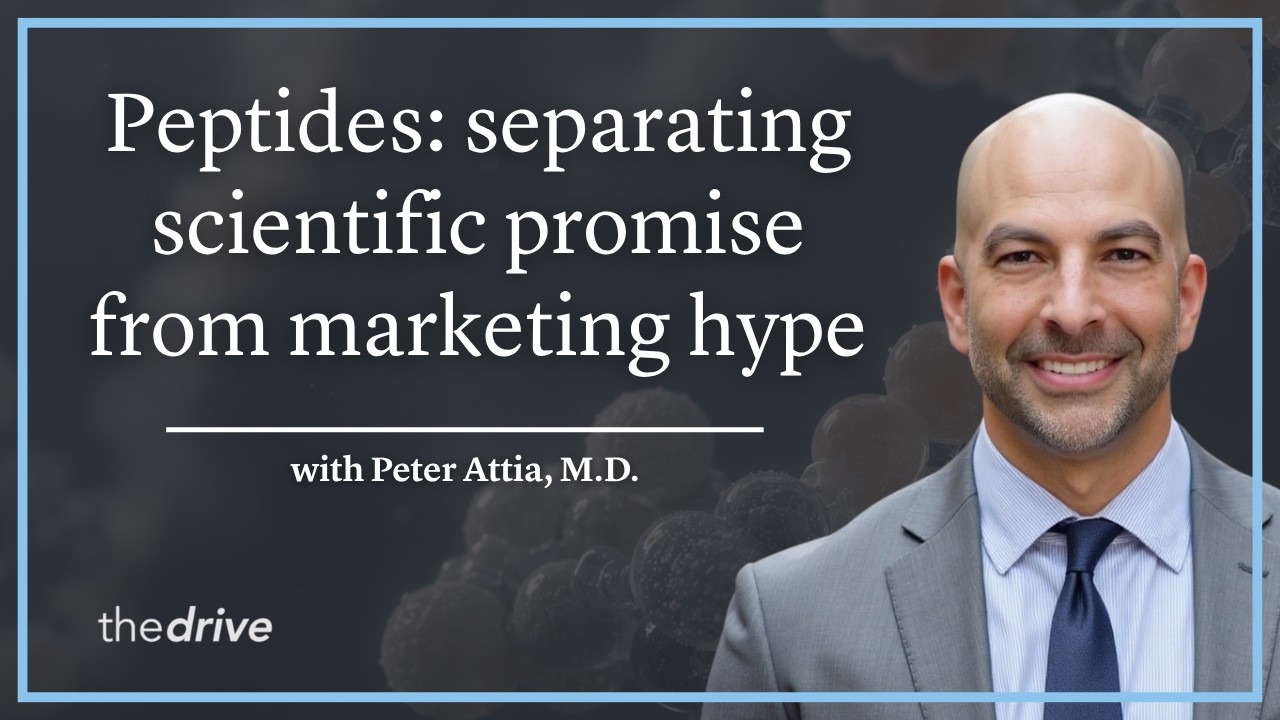 51 min
403 ‒ Peptides: separating scientific promise from marketing hype
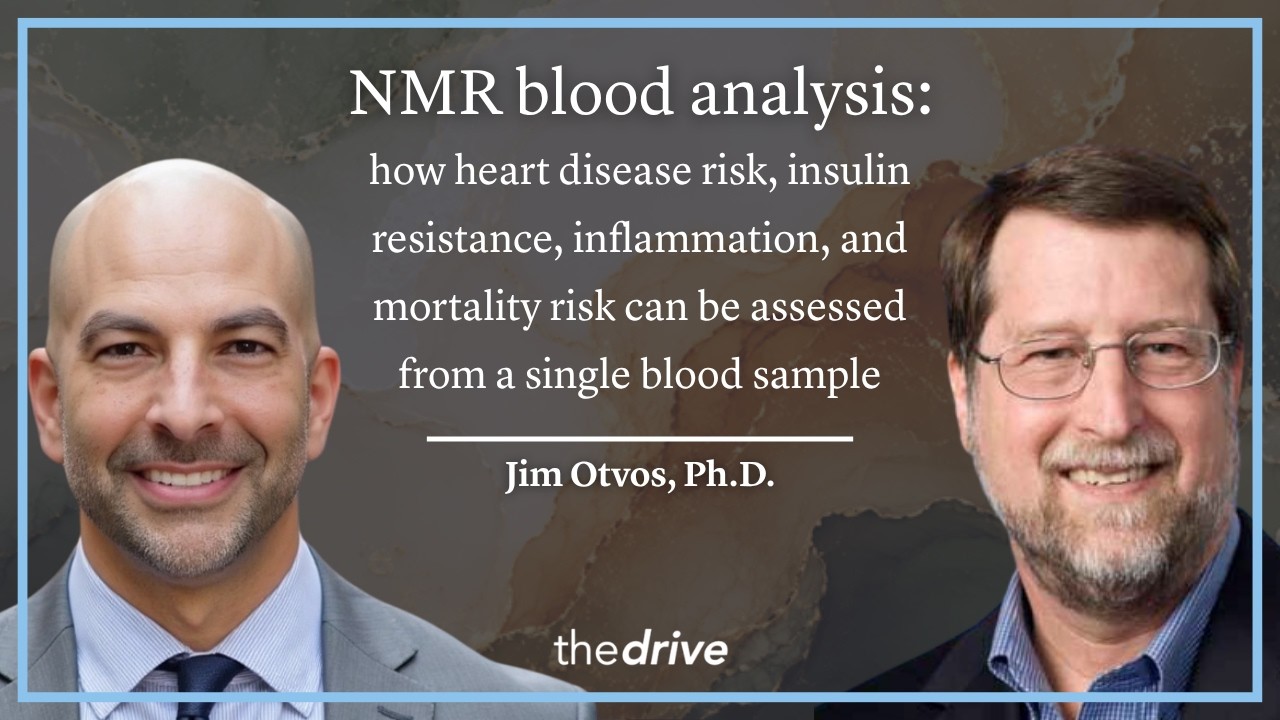 148 min
402 ‒ NMR blood analysis: how mortality risk and more can be assessed from a single blood sample
 118 min
Building strength and muscle mass: optimize training & nutrition for longevity (AMA #71 rebroadcast)
Ask anything from this episode.
Save it, chat with it, and connect it to Claude or ChatGPT. Get cited answers from the actual content — and build your own knowledge base of every podcast and video you care about.
Get Started Free