Key Moments
YouTube Algorithm Basics (Cristos Goodrow, VP Engineering at Google) | AI Podcast Clips
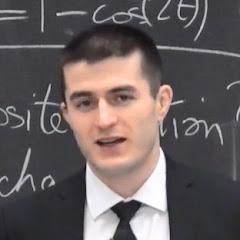 Lex Fridman
Key Moments
The YouTube algorithm uses user behavior (watch history, likes, surveys) and video metadata to recommend content and improve search results.
Key Insights
YouTube's algorithm, particularly for recommendations, relies heavily on collaborative filtering based on shared viewing patterns.
Search algorithms prioritize semantic and syntactic matches, alongside observed user behavior for specific queries.
Video quality is assessed through engagement metrics beyond simple views, including watch time, user satisfaction surveys, likes, dislikes, comments, and shares.
User behavior, not just explicit actions like likes, but also implicit cues like watch time and survey feedback, are crucial signals for personalization.
While content analysis is improving, metadata (titles, descriptions) remains a primary signal for the algorithm to categorize and match videos to user queries.
The algorithm constantly evolves from heuristics to more sophisticated machine learning models, balancing user satisfaction with creator discoverability.
SEARCH VS. RECOMMENDATION ALGORITHMS
YouTube employs distinct algorithms for search and recommendations. For search, the system leverages Google's advanced technology to match queries with relevant videos. This involves not only keyword occurrences in titles but also semantic understanding and analyzing which videos users frequently watch after a specific search. This ensures that when a user searches for a term, the most relevant and helpful content is surfaced.
COLLABORATIVE FILTERING AND THE RELATED GRAPH
The core of YouTube's recommendation engine, historically, has been collaborative filtering. This method observes which videos are watched together by the same users. By mapping these co-watched videos closely in a 'related graph,' YouTube can implicitly group similar content. This naturally clusters videos by language, topic (like sports or music), or genre without explicit programming for these categories, simplifying the vast content landscape.
USER BEHAVIOR AS A PRIMARY SIGNAL
YouTube's algorithm treats each user as a 'DNA strand' or a vector in the space of all videos, defined by their viewing history. This deep personalization aims to predict what a user might want to watch next. The system analyzes not only direct interactions like clicks and watches but also implicit signals, recognizing that user behavior is a complex, evolving representation of their interests and needs.
DEFINING AND MEASURING VIDEO QUALITY
Assessing video quality is multifaceted. For authoritative topics like news or science, credibility and expertise are key. For entertainment, it shifts to user enjoyment and satisfaction. YouTube uses metrics beyond raw views, analyzing watch time, relative watch time, likes/dislikes, comments, shares, and crucially, post-watch satisfaction surveys. These signals collectively inform the algorithm about a video's true value to viewers.
METADATA AND CONTENT ANALYSIS
While YouTube is developing capabilities to analyze video content directly, metadata like titles and descriptions currently play a significant role. Clear, descriptive titles help both users and the algorithm identify relevant content. Though indirect or witty titles can pique curiosity, a literal match in the title often aids discoverability, especially for users actively searching for specific topics. The algorithm uses this textual information to categorize and cluster videos.
EVOLUTION FROM HEURISTICS TO MACHINE LEARNING
The YouTube algorithm has evolved from simple heuristics (like limiting videos from the same channel) to complex machine learning systems. Each change undergoes rigorous A/B testing, measuring hundreds of variables to ensure it improves the viewer experience. The goal is a system that learns and adapts, moving away from rigid rules towards a more nuanced understanding of individual user preferences and situational contexts.
THE ROLE OF DIRECT USER FEEDBACK
Direct feedback from users is vital for refining recommendations. Signals like likes, dislikes, comments, shares, and subscriptions provide explicit data points. More recently, features allowing users to directly indicate they 'don't want to see this video anymore' offer powerful, albeit sometimes blunt, signals. These mechanisms help the algorithm course-correct and avoid showing content that a user finds irrelevant or off-putting.
NAVIGATING USER INTENT AND GAMING THE SYSTEM
YouTube acknowledges that users approach the platform with varying intents, from focused searches to casual exploration. The system relies on faithful user behavior to function effectively. It must also remain resilient to attempts to 'game' the system, such as clickbait titles or misleading thumbnails, which aim to artificially inflate engagement. Developers balance user intent with measures against manipulation.
THE PERSONALIZATION SPECTRUM
YouTube's recommendation system is highly personalized, tailoring experiences for logged-in users on both the homepage and 'watch next' suggestions. The algorithm recognizes that users may seek to deepen their engagement with a current topic or transition to entirely new content, like the latest video from a subscribed channel. This individual-centric approach ensures a unique viewing journey for each user.
MEASURING SUCCESS: RETURN VISITS AND SATISFACTION
Success for YouTube's algorithm is measured by viewers returning to the platform, indicating sustained value. Beyond hours watched, the ultimate goal is user satisfaction, ideally reflected in consistently high ratings in user surveys ('five stars'). This ambitious objective drives continuous improvement, aiming for an experience where every recommended video enriches the user's life, fostering growth and happiness.
THE SOCIAL IMPLICATIONS OF PERSONALIZATION
User engagement, like clicking 'like' or subscribing, can be framed not just as improving one's own experience but also as contributing to the broader algorithm's learning. While not always explicitly communicated, this collaborative aspect, akin to Wikipedia's community contribution, fosters a sense of shared development. Users helping the algorithm get smarter can lead to a better overall platform, benefiting everyone.
Mentioned in This Episode
●Software & Apps
●Companies
●People Referenced
Common Questions
YouTube uses collaborative filtering, analyzing which videos are watched closely together by the same users. This creates a 'related graph' that groups similar videos and informs recommendations.
Topics
Mentioned in this video
A company mentioned as an example where customers feel they are helping the company's algorithm improve, contrasting with YouTube's user feedback loop.
The platform discussed is YouTube, focusing on how its search and recommendation algorithms work.
Google provides the technology used for YouTube's search system, aiming for both syntactic and semantic matches to surfaces relevant content.
More from Lex Fridman
View all 548 summaries 124 min
Vikings, Ragnar, Berserkers, Valhalla & the Warriors of the Viking Age | Lex Fridman Podcast #495
 146 min
Jensen Huang: NVIDIA - The $4 Trillion Company & the AI Revolution | Lex Fridman Podcast #494
 311 min
Jeff Kaplan: World of Warcraft, Overwatch, Blizzard, and Future of Gaming | Lex Fridman Podcast #493
 154 min
Rick Beato: Greatest Guitarists of All Time, History & Future of Music | Lex Fridman Podcast #492
Found this useful? Build your knowledge library
Get AI-powered summaries of any YouTube video, podcast, or article in seconds. Save them to your personal pods and access them anytime.
Get Started Free