Key Moments
Why is everyone suddenly neurodivergent?
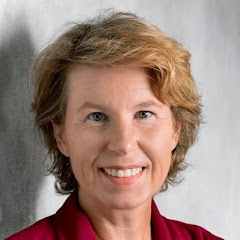 Sabine Hossenfelder
Want to know something specific about what's covered?
We've already dissected every moment. Ask and we will deliver (with timestamps).
Key Moments
Explores the rise of neurodiversity discussions, defining ASD, its history, causes, and the controversial neurodiversity movement.
Key Insights
Autism Spectrum Disorder (ASD) encompasses previous diagnoses like autism and Asperger's syndrome, characterized by a spectrum of social, communication, and behavioral differences.
ASD diagnoses have significantly increased due to greater awareness and improved screening, with a decrease in intellectual disability among diagnosed individuals.
The prevalence of ASD is higher in males, partly due to 'masking' in females, which can lead to other mental health issues.
ASD is a neurodevelopmental condition with strong genetic components, not caused by 'refrigerator mothers' or vaccines, though some environmental factors may play a role.
The neurodiversity movement promotes acceptance of neurodivergent individuals as a natural human variation, advocating against pathologizing these conditions.
The neurodiversity movement faces criticism for potentially trivializing severe forms of ASD and for its more extreme stances, leading to backlash from caregivers and some autistic individuals.
DEFINING AUTISM SPECTRUM DISORDER (ASD)
Autism Spectrum Disorder (ASD) is a neurodevelopmental condition that subsumes earlier diagnoses like 'autism' and 'Asperger's syndrome.' Originally, autism, described in 1911, referred to a withdrawal from reality, similar to a childhood version of schizophrenia. Asperger's syndrome was later identified as 'high-functioning autism' in children with social and communication difficulties but without significant language or cognitive impairments. Current diagnostic criteria for ASD include challenges with verbal and nonverbal communication, social interactions, repetitive behaviors, specialized interests, emotional control, and sensory sensitivities, alongside potential unusual abilities like exceptional memory or mental arithmetic.
HISTORICAL EVOLUTION AND DIAGNOSTIC CHANGES
The term 'autism' was introduced by Eugen Bleuler in 1911, and later recognized as distinct from schizophrenia. Hans Asperger described similar children in 1943. For decades, Asperger's syndrome was considered separate from autism. However, psychologists determined there was no clear distinction, leading to the consolidation of these and other related conditions under the umbrella term 'Autism Spectrum Disorder' (ASD) in diagnostic manuals. This change reflects an understanding of a wide spectrum of symptom expressions and severity, with the 'spectrum' referring to the variety rather than the intensity of symptoms, which are categorized into three support levels.
PREVALENCE, DIAGNOSIS TRENDS, AND SEX DIFFERENCES
The worldwide prevalence of ASD is approximately 1 percent, but estimates in high-income countries range from 2.4% to nearly 10%, with 1 in 36 US children diagnosed in 2020. Diagnoses have increased substantially over the past two decades due to heightened awareness and better screening. Notably, the proportion of individuals with severe intellectual disabilities alongside ASD has decreased, suggesting better identification of milder cases. Historically, males are diagnosed with ASD about four times more often than females, possibly because females are more adept at 'masking' their symptoms, a strategy that can lead to anxiety and depression.
CAUSES AND MISCONCEPTIONS SURROUNDING ASD
Contrary to outdated theories, ASD is not caused by poor parenting, such as the 'refrigerator mother' hypothesis. It is understood as an unusual variation in neurodevelopment with a strong hereditary component; children of individuals with ASD have a significantly higher likelihood of also being diagnosed. While genetic factors are primary, some environmental influences like maternal obesity or diabetes, and parental age, have shown correlations. Importantly, scientific consensus, supported by extensive research, debunks the myth that vaccines cause ASD, a misconception stemming from a retracted fraudulent study.
NEURODIVERSITY MOVEMENT: ACCEPTANCE AND ADVOCACY
The concept of 'neurodiversity' posits that variations in brain function are natural and should be accepted, not pathologized. This perspective, coined by Judy Singer, views conditions like ASD, ADHD, and dyslexia as part of human diversity, not inherent deficits. The movement advocates for a more inclusive society that accommodates these differences, challenging 'ableist' views that prioritize typical abilities. Online platforms like TikTok feature many young people embracing their neurodivergence, seeking self-acceptance and community. This movement highlights that societal structures often fail to account for those outside typical norms.
CRITICISMS AND BACKLASH AGAINST THE MOVEMENT
Despite its aims, the neurodiversity movement faces criticism for potentially romanticizing or trivializing severe forms of ASD. Caregivers of individuals with high support needs argue that focusing solely on societal barriers overlooks the significant challenges of the condition. Some critics, including autistic individuals, express concern that the trend of increased self-diagnosis and the framing of autism as a mere 'fashion label' marginalizes those who are severely impaired and unable to advocate for themselves. This has led to debates about the spectrum's full range and the balance between acceptance and the need for treatment and support.
MANAGING ASD SYMPTOMS AND SUPPORT STRATEGIES
ASD is a lifelong condition with no cure or specific medication, but early diagnosis and targeted interventions can significantly improve life satisfaction. Treatment focuses on psychological and social support, utilizing strategies like augmentative communication for non-verbal individuals and parental/educational involvement to manage triggers and improve social engagement. Therapies such as Cognitive-Behavioral Therapy and medication for co-occurring symptoms like anxiety are often employed. However, due to the broad spectrum of ASD, approaches must be individualized, acknowledging that what works for one person may not work for another.
THE CHALLENGE OF DIAGNOSIS AND SELF-IDENTIFICATION
Diagnosing ASD typically occurs in early childhood through screenings, but increased awareness means more adults are seeking diagnosis later in life. The process can be lengthy and difficult, with a lack of diagnosis significantly hindering coping mechanisms, sometimes even contributing to higher suicide rates among undiagnosed individuals. The rise of online self-tests and social media platforms has fueled self-identification, particularly among teenagers. While this can foster a sense of belonging, it also raises questions about the accuracy and potential implications of self-diagnosis versus clinical assessment, especially when it comes to accessing appropriate support.
Mentioned in This Episode
●Software & Apps
●Companies
●Organizations
●Books
●Concepts
●People Referenced
ASD Prevalence and Diagnostic Trends
Data extracted from this episode
| Metric | Time Period/Region | Value/Trend |
|---|---|---|
| Worldwide Prevalence | Current | Approx. 1% |
| Prevalence (England & North America) | 2018 Review | 2.4% to almost 10% |
| Prevalence (US Children) | 2020 | 1 in 36 children |
| US Diagnosis Increase | 2000 vs 2020 | Increased by almost a factor of 5 |
| UK Diagnosis Increase | Over 20 years | Increased by almost a factor of 8 |
| Intellectual Disability with ASD (1980s) | More than two-thirds | |
| Intellectual Disability with ASD (US Children) | 2018 | 31% |
| Male to Female Diagnosis Ratio | Current | Approx. 4:1 |
Risk Factors and ASD Correlation Studies
Data extracted from this episode
| Factor | Study Detail | Finding |
|---|---|---|
| Hereditary Component | Multiple studies | 40-80% probability of inheriting ASD |
| Maternal Obesity/Diabetes | Some studies | Found a link to ASD in child (correlation, causation unclear) |
| Parental Age | 2016 Meta-analysis (67k cases) | 18% higher risk per 10 years maternal age; 21% higher risk per 10 years paternal age |
Common Questions
Asperger's syndrome was previously considered a milder form of autism, characterized by social and communication difficulties but without significant language or cognitive impairments. However, the distinction is no longer recognized, and both are now encompassed under the umbrella term Autism Spectrum Disorder (ASD).
Topics
Mentioned in this video
Co-founder of Facebook, who has been attributed autism without confirmation.
Co-founder of Microsoft, attributed autism without confirmation.
Swiss psychiatrist who introduced the term 'autism' in 1911 to describe what he believed was a childhood version of schizophrenia.
Actor who played a lead role in the movie 'Rain Man', bringing autism to public attention.
A savant who inspired the movie 'Rain Man', initially diagnosed with autism but later found to likely have FG syndrome.
An Austrian pediatrician who described children with social and communication difficulties but intact language and cognitive function in 1943.
An autistic individual who wrote an opinion piece in The Guardian criticizing the self-identification of autism as a fashion label.
Psychiatrist who originally believed classical autism was caused by poor parenting, specifically the 'refrigerator mother' theory.
An Australian sociologist who coined the term 'neurodiversity' in the late 1990s.
A London-based neurobiologist who wrote an article for Aeon titled 'Against Neurodiversity', criticizing the romanticization of autism.
A clinical psychologist at the University of Cambridge who claimed Albert Einstein had autism.
A renowned theoretical physicist, to whom the speaker notes Simon Baron-Cohen claimed had autism.
Entrepreneur who has stated he has Asperger's syndrome.
Co-founder of Apple, attributed autism without confirmation.
Historically described as 'high functioning autism', this term is no longer in use and has been subsumed under Autism Spectrum Disorder.
A condition characterized by difficulties with language, social interaction, emotional control, and repetitive behaviors, now understood as part of a spectrum.
The current diagnostic term for a range of conditions characterized by challenges with social skills, repetitive behaviors, speech, and nonverbal communication.
A genetic condition linked to abnormalities of the X chromosome, which doctors concluded Kim Peek most likely had.
A condition that is included under the umbrella term 'neurodiversity'.
Medical journal where a fraudulent paper claiming measles vaccines cause autism was published in 1998.
A scientific journal where a 2017 paper found that certain brain regions grow faster in children with ASD, linked to social difficulties.
Newspaper where Tom Clements published an opinion piece about neurodiversity.
Organization that reported about 1 in 36 children in the United States were diagnosed with ASD in 2020.
A charitable organization aiming to create an inclusive world for individuals with autism, which has been labeled a hate group by some activists.
Space agency where the founder of Ground News was formerly an engineer.
Region where a 2018 review found ASD prevalence between 2.4% and 10%.
Canadian province where there were recent calls for the government to fully fund mental health screenings for neurodivergent children.
Country where a 2018 review found ASD prevalence between 2.4% and 10%, and where the increase in diagnoses has been significant.
Country where in 2020, about 1 in 36 children were diagnosed with ASD.
A social media platform where many teenagers celebrate their neurodiversity, sometimes with self-diagnoses.
A social media platform which Elon Musk is noted to spend time on, possibly related to his use of outdated terms like Asperger's.
Partnered with Autism Speaks on the 'MSSNG' project to identify genetic variants of autism.
More from Sabine Hossenfelder
View all 65 summaries 7 min
7 minBreakthrough In Data Storage Could Store Your Photos for 10000 Years
 7 min
7 minThe Simulation Hypothesis Gets Scientific Backing
 7 min
7 minSurprise! Milky Way Might Not Have a Black Hole After All
 7 min
7 minThe First Moon Landing Wasn’t Apollo — And We Just Found It
Ask anything from this episode.
Save it, chat with it, and connect it to Claude or ChatGPT. Get cited answers from the actual content — and build your own knowledge base of every podcast and video you care about.
Get Started Free