Key Moments
The Podcaster to Politician Pipeline
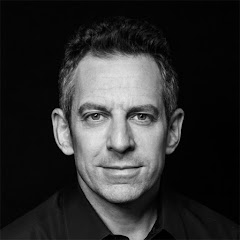 Sam Harris
Key Moments
Podcasters move into politics, leaning on parasocial bonds and messaging over policy.
Key Insights
The modern political landscape rewards effective communication and parasocial connections as political capital, sometimes more than deep policy expertise.
A podcaster to politician pipeline exists and is expanding, already visible at local levels and likely to grow with new media environments.
Authenticity, even when the figure is unappealing, can drive voter trust if the messaging feels genuine and relatable.
Campaigns increasingly depend on communications strategy and media teams, sometimes prioritizing branding over traditional policy papers.
Democrats appear slower to cultivate distinctive public personas, with only a few notable exceptions like AOC mentioned in the transcript.
THE PODCASTER TO POLITICIAN PIPELINE
The speaker argues politics is becoming a pipeline from podcasting and other media into elected office. In this view, the most successful candidates will be those who can communicate clearly, tell coherent stories, and cultivate parasocial ties with large audiences. The point is not simply policy depth but the ability to sustain audience engagement across platforms. The speaker notes this trend exists at local levels and predicts it will accelerate as the media landscape rewards quick, authentic, portable messaging over traditional credentialing and dense policy papers.
PARASOCIAL RELATIONSHIPS AS POLITICAL CAPITAL
Parasocial relationships one-sided bonds with media figures are highlighted as a new form of political capital. Audiences feel connected to a host even without direct interaction, which translates into trust, loyalty, and willingness to back candidates who resemble their media personas. Building this dynamic is now a prerequisite for national campaigns because voters increasingly expect leaders to be accessible through tone, style, cadence, and social media presence rather than dry speeches or printed policy brochures.
KAMALA HARRIS AS A CASE STUDY
Kamala Harris is used as a cautionary example. The speaker contends she should not run again because she has been weighed and measured by the public for her ability to connect with people, and the verdict is negative. In the speaker's view, personal resonance can determine viability as much as policy positions. The argument underscores a central premise: in the current media environment, charisma and communication chops can decide credibility and trustworthiness to voters.
MADISON CAWTHORN AND THE SHIFT TO COMMUNICATIONS TEAMS
Madison Cawthorn is described as a grotesque figure, yet his remark about hiring communications staff serves as a canary in the coal mine. It signals a shift away from policy playbooks toward professionalized messaging campaigns. The transcript suggests listening to press teams and consultants is becoming central to campaigning. The observation also implies that Democrats are still catching up, as this communications-first approach becomes a baseline requirement for competitiveness in elections. In short, the landscape is mutating from policy tropes to media strategy.
JD VANCE AND THE AUTHENTIC-UNAPPEAL DYNAMIC
JD Vance is offered as a case study in authentic but unappealing messaging. The speaker notes that Vance is not obnoxious, yet not appealing; still, his words seem authentic, and voters are forming a relationship with him despite disliking him. The label vice tweeter and chief is a jab at his reliance on digital branding. The core idea is that authenticity matters more than pleasantness for some voters, and this dynamic challenges traditional expectations about how political appeal should work.
DEMOCRATS PERSONALITY GAP AND AOC
Among Democrats the speaker sees a stark lack of personality or deep public presence. They ask whether any Democratic representatives cultivate a public persona that voters genuinely know. AOC is mentioned as a standout example, though the speaker notes that much of her persona comes from social media posts. The point is not endorsement of a specific figure but highlighting a perceived gap: a party that risks being ambiguous about who its leaders are when voters increasingly seek relatable, recognizable personalities.
AOC AS A RARE OUTLIER
AOC as a rare outlier demonstrates how a personal brand can exist across platforms and become a recognizable political asset. The segment acknowledges that personal branding helps people feel connected but warns there is risk in overemphasizing persona at the expense of policy depth. The example also raises questions about the scalability of a single personality across a broad electorate and how such branding translates to governance and policy implementation. It invites viewers to consider the balance between image and substance.
AUTHENTICITY VERSUS SMARMINESS
AUTHENTICITY VERSUS SMARMINESS remains a central tension. The speaker suggests audiences can tolerate or even prefer a politician who is unappealing if their communication feels genuine. That implies a recalibration of credibility away from polish toward perceived sincerity. It also highlights the possibility that modern political success rewards narrative coherence and emotional resonance more than technical mastery. This tension challenges traditional norms of what a political leader should look and sound like in public life, and it raises questions about accountability in a media-saturated era.
DEMOCRATIC STRATEGY CHALLENGES
DEMOCRATIC STRATEGY CHALLENGES emerge in the disconnect between policy credibility and personality magnetism. The speaker argues Democrats lag in turning personality into a political asset, unlike some outsiders who leverage media presence. The critique implies a strategic vulnerability where policy ideas fail to connect with voters without a resonant public voice. It calls for rethinking how policy and persona can align without compromising substance, and it invites consideration of whether a more intentional public-facing approach can bridge the gap between complex issues and broad audiences.
SHIFT AHEAD FOR CAMPAIGNS
THE SHIFT AHEAD FOR CAMPAIGNS discusses broader implications for campaigns and governance. If media-savvy candidates dominate, political education may shift toward media literacy, messaging discipline, and audience analytics. There is also a concern about authenticity fatigue and manipulation risk as more actors mold their public image. The transcript suggests a future where success depends not only on policy competence but on the ability to build real-time connections with diverse audiences across platforms. This reality challenges traditional notions of campaigning and governance alike.
IMPLICATIONS FOR CIVIC ENGAGEMENT
IMPLICATIONS FOR CIVIC ENGAGEMENT warn that when voters form parasocial bonds with public figures, engagement may lean toward feeling connected rather than critically evaluating policy. This dynamic can influence turnout, political realignment, and issue salience. It also underscores the need for media literacy education so audiences can differentiate performative branding from substantive governance. The discussion invites caution about glamorizing charisma and emphasizes the importance of fostering informed participation that integrates both persona and policy in accountability-driven democracy.
CLOSING THOUGHTS ON A MEDIA-DRIVEN AGE
CLOSING THOUGHTS ON A MEDIA-DRIVEN POLITICAL AGE conclude the analysis. The podcaster to politician pipeline is presented as an emerging reality with opportunities and risks. On one hand, strong storytelling and authentic connection can energize civic participation. On the other, the same tools can distort democratic accountability if emphasis on persona eclipses policy scrutiny. The speaker offers a provocative lens for future campaigns and asks how to balance persona with policy in transparent, responsible governance. The takeaway is to stay vigilant about media influence shaping public life.
POLICY DEPTH VERSUS PERSONALITY IN GOVERNANCE
Policy depth remains essential even as media dynamics evolve. The discussion implies that while persona can mobilize attention and loyalty, it cannot replace the substance many voters expect on issues like economy, healthcare, or national security. The challenge for future leaders is to design campaigns that integrate clear policy storytelling with authentic human connection, avoiding hollow branding while maintaining accessibility. If politicians optimize both elements, they may sustain broad support and govern effectively, but the risk remains that optics overshadow outcomes, eroding trust over time.
Mentioned in This Episode
●People Referenced
Common Questions
The speaker argues that a new media environment rewards those who can communicate effectively and build parasocial relationships with audiences, implying a shift from traditional policy-focused appeals to media-savvy personal branding. Timestamp starts at 0.
Topics
Mentioned in this video
Political figure referenced as lacking the ability to connect with people; used to illustrate a point about modern political viability.
Public figure described as a grotesque figure; cited as a canary in the coal mine regarding reliance on communications staff for political messaging.
More from Sam Harris
View all 292 summaries 34 min
Is Effective Altruism Blind to the Biggest Problems? – Sam Harris & Will MacAskill
 21 min
What Is Technology Doing to Us?
 42 min
Is the Iran War Already Failing?
 90 min
FULL EPISODE: The Politics of Pragmatism and the Future of California (Ep. 464)
Found this useful? Build your knowledge library
Get AI-powered summaries of any YouTube video, podcast, or article in seconds. Save them to your personal pods and access them anytime.
Get Started Free