Key Moments
The Hotdog Effect: Secrets of the World’s #1 Restaurants - Will Guidara
 Modern Wisdom
Key Moments
Transforming restaurants from 'good' to 'the best' hinges on 'unreasonable hospitality' – going beyond service to create genuine human connection, but this intentionality demands rigorous operationalization.
Key Insights
Will Guidara's restaurant went from #50 to #1 on the World's 50 Best Restaurants list through a singular focus on 'unreasonable hospitality,' prioritizing human connection over culinary perfection.
Service is defined as the 'black and white' actions performed, while hospitality is the 'color' – the emotional connection and feeling of belonging a guest experiences.
To achieve 'unreasonable hospitality,' Guidara recommends identifying and elevating overlooked 'touch points' in the customer journey, aiming to make guests feel seen and at home.
The 'rule of 955' involves managing every dollar maniacally 95% of the time to earn the right to spend the remaining 5% 'foolishly' on initiatives that build lasting connections.
Systematic 'magic' can be created by identifying recurring 'moments' (like engagements or travel plans) and developing scalable, thoughtful responses that delight guests and are easy for staff to deploy.
True competitive advantage lies in consistently and generously investing in relationships, as these take time to build and are difficult to erode, unlike product quality or brand strength which can be surpassed.
Adopting an 'unreasonable hospitality' mindset
Will Guidara, formerly of Eleven Madison Park, revolutionized his restaurant by shifting the focus from culinary excellence to 'unreasonable hospitality' – a philosophy centered on making guests feel genuinely seen, cared for, and connected. This approach propelled his restaurant from 50th to 1st on the World's 50 Best Restaurants list. Guidara differentiates between 'service,' which he describes as 'black and white' (e.g., delivering the right food at the right time), and 'hospitality,' the 'color' that creates emotional connection and a sense of belonging. He emphasizes Maya Angelou's quote, 'People will forget what you say. They will forget what you do, but they will never forget how you made them feel,' as the core tenet of this philosophy. This pursuit of making people feel profoundly is an 'infinite game' – a continuous journey of redefining human connection.
Learning from mentors and life experiences
Guidara credits his father, who cared for his mother after she became a quadriplegic, as a primary inspiration for understanding hospitality. Witnessing his father find joy in caregiving, and later experiencing the profound fulfillment of caring for his mother himself, instilled in him the deep rewards of bestowing graciousness upon others. He also learned invaluable lessons from Danny Meyer, his mentor, who introduced the concept of 'enlightened hospitality'—prioritizing employees first, then customers—and mastered the power of concise language ('isms') to articulate core values and create a shared team understanding. Meyer's methods provided the foundation for Guidara's approach to building culture and communicating vision.
Elevating the customer journey through intentional touch points
To operationalize 'unreasonable hospitality,' Guidara advocates for obsessing over every customer 'touch point,' much like a chef scrutinizes ingredients. This involves meticulously examining every interaction a guest has with the restaurant and strategizing how to make each moment 'more awesome.' For instance, the typical sterile greeting at a restaurant podium was replaced with a warm, personalized welcome at a movable podium, where staff greeted guests by name, having researched their photos beforehand. This effort created a sense of genuine welcome, akin to arriving at a friend's home, and was designed to help guests lower their guard and feel 'invited in' as quickly as possible, facilitating deeper, more genuine connections.
The 'hotdog effect' as a catalyst for radical guest experiences
A pivotal moment occurred when Guidara overheard European foodies at his restaurant lamenting not having tried a classic New York City hotdog during their visit. Despite the restaurant's fine-dining context, he procured a hotdog, had his chef artfully plate it with traditional New York toppings, and presented it as a culinary 'regret-saver.' The guests' ecstatic reaction to this simple, unexpected gesture was more profound than any reaction to expensive dishes like lobster or Wagyu beef. This 'hotdog effect' highlighted that genuine hospitality is 'one-size-fits-one' and requires being present, not taking oneself too seriously, and actively listening to guest desires. It inspired the creation of a dedicated 'Dreamweaver' role to bring such personalized ideas to life during service.
Systematizing 'magic' through pattern recognition
While unique, unscalable gestures like the hotdog are powerful, Guidara recognized the need for scalable 'magic.' This led to the 'pattern recognition' exercise: identifying recurring, non-always-present moments (like engagements or family trips) that occur with some frequency. By anticipating these moments and developing pre-planned, creative responses, the restaurant could consistently deliver delightful experiences. An example is gifting engaged couples the champagne flutes they used for their toast, sourced from Tiffany & Co. This made the gesture special and easily executable for the staff, demonstrating how intentional systems can amplify hospitality.
The 'rule of 955' and investing in relationships
Guidara employs the 'rule of 955' for financial management: meticulously scrutinize 95% of expenses to earn the right to spend the remaining 5% 'foolishly' on initiatives that foster human connection and loyalty. He argues that this 'foolish' spending—on things that build relationships—is not financially reckless but essential for long-term competitive advantage. While product quality and brand strength can be matched, deep-rooted relationships built through consistent, generous investment in people are Enduring. Companies often neglect this due to a short-sighted focus on immediate profits, failing to grasp that 'growth hacking intimacy' is a slow, deliberate process that cannot be rushed.
Balancing ambition with patience and avoiding the 'hollowness' of victory
Guidara advocates for 'audacious ambition combined with patience' as a winning formula. While dreaming big is crucial, achieving extraordinary things takes time and a solid foundation. He also cautions against the 'hollowness' that can follow achieving a major goal, drawing parallels to Simon Sinek's 'infinite game' concept. He suggests playing both infinite games (like redefining hospitality) and finite games (milestones and victories) to maintain momentum and celebrate progress. The pursuit itself, rather than just the accolade, should be the driving force. He stresses that greatness doesn't cure pain; it only makes the pain more expensive, urging a focus on the journey and separating ambition from a need for self-acceptance.
Cultivating a culture of playfulness and genuine connection
Guidara emphasizes taking work seriously but not oneself too seriously, believing that joy, humor, and levity break down barriers and foster deeper connections. Overly serious or guarded individuals often stem from insecurity, preventing genuine connection. He argues that in the grand scheme, most of our endeavors aren't that critical, and there should be ample room for fun. This playful approach, combined with authentic appreciation for employees and guests, creates a positive 'vibe' that is more conducive to excellent performance and enjoyable experiences. It transforms a workplace from a stringent, procedural environment to one where genuine engagement thrives.
Mentioned in This Episode
●Products
●Software & Apps
●Companies
●Organizations
●Books
●Concepts
●People Referenced
Common Questions
Unreasonable hospitality is a philosophy of prioritizing human connection and making guests feel seen, cared for, and a sense of belonging. It means being as relentless and creative in how you make people feel as others are in pursuing products or services.
Topics
Mentioned in this video
The founder of hospitality company Union Square Hospitality Group, who provided a foundational mentorship.
A talk show host who dined at 11 Madison Park and was treated to a 'space shuttle' themed elevator experience.
Mentioned for the 'peak-end rule,' a psychological concept applied to customer experience, particularly in nightlife.
Author of a famous quote about how people remember how you made them feel, which is central to hospitality.
Credited with introducing the speaker to Will Guidara, indicating a shared interest in behavioral economics and marketing.
Author of 'The Infinite Game,' a book whose central message about 'why' resonates with Guidara's philosophy.
A coach the speaker recently spoke with about his new tour and the subtle message of his show.
An analogy used by Danny Meyer to describe moving through a room with elegance despite underlying effort.
The core philosophy of 11 Madison Park, focusing on making guests feel seen, cared for, and a sense of belonging.
Danny Meyer's philosophy of taking care of employees first, then customers, which the speaker adopted.
A ride-sharing service used to deliver sleds and hot chocolate to a family experiencing snow for the first time.
A luxury jewelry company whose iconic blue boxes were used creatively for engaging guests at 11 Madison Park.
A supplement brand partnered with the host, known for high-quality whey protein sourced from grass-fed European cows.
A training app offering pre-made programs and technique videos for optimizing workout routines.
A fast-casual burger chain founded by Danny Meyer, which the speaker initially wanted to run after his time at 11 Madison Park.
The website where listeners can sign up for Will Guidara's newsletter.
A nootropic energy drink that the speaker used for investor relations, providing them with metal NFC cards to share free cases.
Mentioned as a potential tool to create a 14-year-old version of oneself for performance coaching.
More from Chris Williamson
View all 17 summaries 105 min
19 Uncomfortable Truths About Human Nature - Gurwinder Bhogal
 127 min
Why Nobody is Having Sex Anymore (& why it matters) - Dr Debra Soh
 117 min
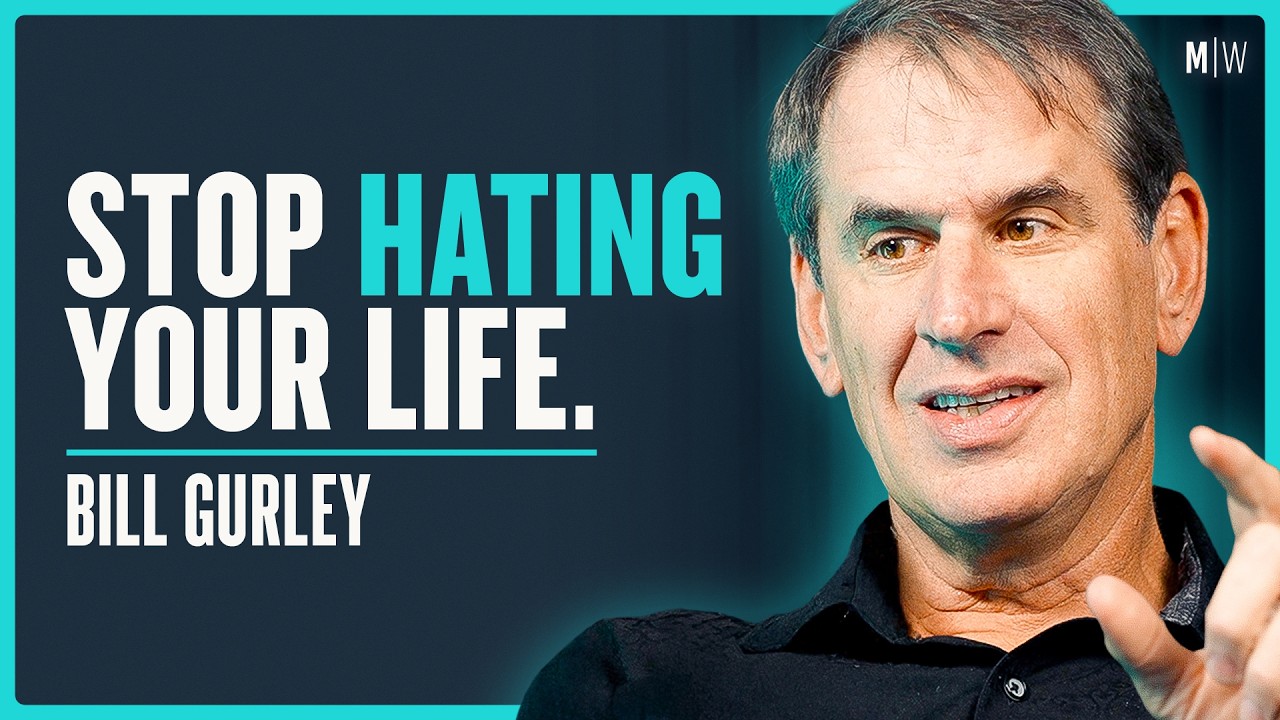
How to Live a Life You Won’t Regret at 80 - Bill Gurley
 102 min
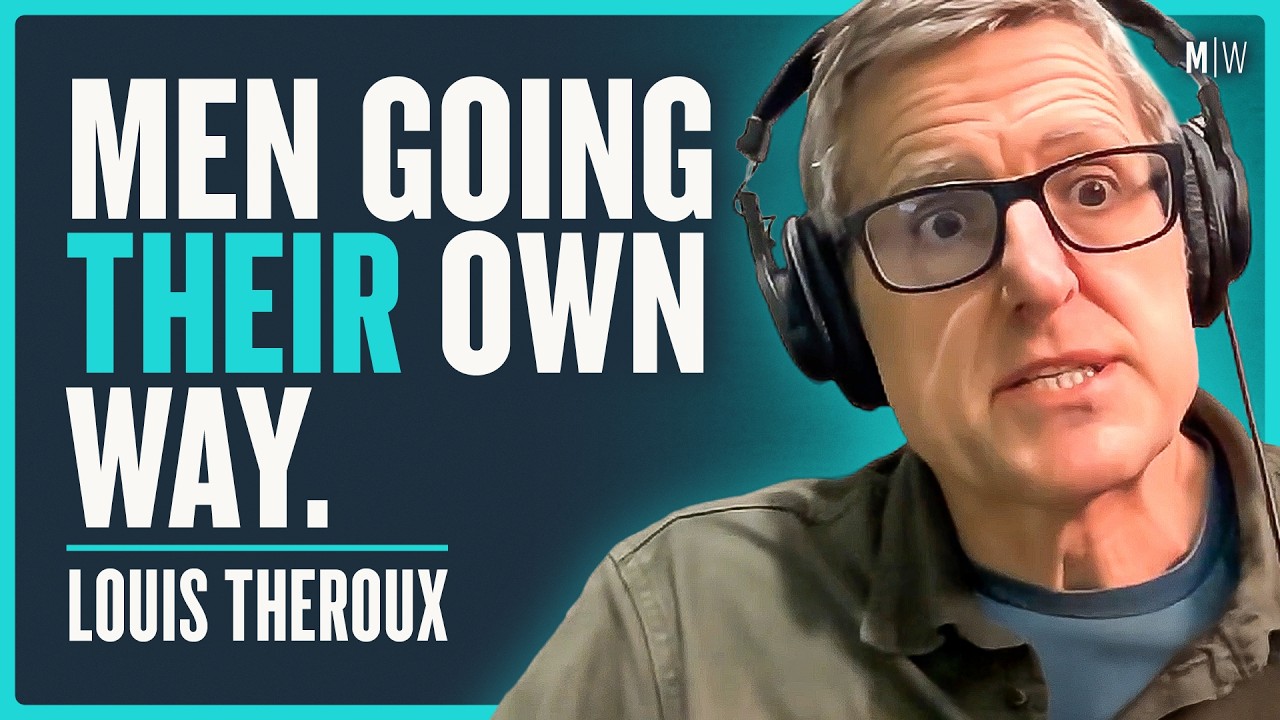
Is The Manosphere Really That Dangerous? - Louis Theroux
Found this useful? Build your knowledge library
Get AI-powered summaries of any YouTube video, podcast, or article in seconds. Save them to your personal pods and access them anytime.
Try Summify free